Sunday, September 30, 2012


How Can I Keep Better Track of What I Eat?

 Thorin Klosowski

How Can I Keep Better Track of What I Eat?
Dear Lifehacker,
I've been trying to eat healthy, but I'm having a hard time keeping track of everything I need to know. Is there a way I can use my computer or smartphone to eat better?
Sincerely,
Trying to Eat Right
Dear TER,
Eating healthy is always a bit tough, and while everyone's definition of "healthy" is slightly different, you can easily track what you're eating and get an idea of where you can improve. While a billion dieting apps exist, this is less about losing weight, and more about knowing more about the foods you're eating, how they're affecting your body in the long run, and using technology to keep yourself on track. There's no magic bullet for perfect health, but you can use technology to get a much better idea of your overall eating habits, and find the best ways to achieve the goals you want.

Track What You Eat for a Better View of Your Health


How Can I Keep Better Track of What I Eat?

Friday, September 21, 2012


Don’t like plain water? Here’s how to get your 8 glasses a day
Posted By Susan Bowerman On September 20, 2012 @ 7:30 am
Does coffee count towards you daily liquid consumption? DiscoverGoodNutrition.comWater is important for your health, but do other beverages count toward meeting your daily fluid needs?
You’ve probably heard the old expression, “you can lead a horse to water, but you can’t make it drink”.  Well, I’ve got plenty of clients who are just like that horse.  They knowwater is important to their health and they’ve heard the common advice that they should drink about 8 glasses of water a day. But, as one client said to me recently, “this is going to sound strange, but I just hate water – there’s no way I can choke down 8 glasses of plain water a day”.  Which leads to the question: does it have to be plain water?  Do any other beverages count?
In a word, yes – other beverages do count towards your daily liquid consumption.  Many people take the water advice a bit too literally and assume that, even if they are drinking other beverages, they still need to drink 8 glasses of plain water too.

Tuesday, August 14, 2012

Eating Fresh

Health is Wealth: Health Alert
by Nobel Laureate in Medicine Dr. Louis Ignarro and Naturopathic Physician Dr. Andrew Myers Eating Fresh 

What type of foods do you regularly eat? Are they fresh, natural foods? Or do you often eat processed food with ingredients you can barely pronounce? Our bodies were designed to eat fresh food, not processed food. As it turns out, fresh food actually tastes better than processed food though many people no longer remember what eating fresh tastes like.

Eating fresh is one of the most fundamental aspects of staying healthy, having energy, and feeling good. Eating fresh, healthy food is only one part of the equation. Individuals need to re-learn how to enjoy preparing, cooking, and consuming delicious food. How much fresh food should you eat? People need at least five to nine servings of fresh fruit and vegetables every single day to stay healthy and prevent cancer and other disease. This will provide a huge boost in vitamins, minerals, fiber, enzymes, and other nutrients necessary to thrive. Raw nuts and whole grains like brown rice are also nutrient-rich fresh foods.

 No matter what you are eating, it is a substance that was alive at one time. Imagine, for instance, walking to your backyard and tugging a bunch of sweet, orange carrots from the ground. You take them inside, rinse them off, slice them and add them to your salad. In this scenario, you are eating food that was alive just half an hour before eating. As you eat these carrots, they are passing their life-giving vitality directly into your body. The less your food is refined, the more nutrients it shares with you.

 Now, consider the frozen carrots in your freezer right now. These carrots were alive a few months ago. After they were picked they were hauled to a processing plant where they were rinsed with chlorine and other chemicals to eliminate contamination. They were then boiled, frozen, and sat on a truck and in a freezer for months at a time. These frozen carrots simply do not offer the same vitality that fresh, living food delivers.

Next time you eat, ask yourself how you feel.
Do you feel bloated and tired?
Do you suffer from constipation, diarrhea, heartburn, or low energy?

Simply adding more fresh fruit and vegetables to your meals can quickly reverse even the most irritating health woes.

Benefits of Fresh Veggies
Fiber to cleanse your body of toxins
Phytonutrients: health-protecting plant compounds Enzymes to fuel vital chemical reactions Essential fatty acids to help combat a host of diseases

Keys to Success 
Eat the rainbow: Consume as many different colors of fresh foods as possible. Each color represents different nutritional contents. A big variety in color can help to provide the nutrients necessary for long term health and vitality.

Shop the perimeter: When visiting the grocery store, the healthiest and freshest foods are always around the outer edge of the store. Produce, dairy, seafood, and the butcher are areas to focus on. Avoid the middle aisles which typically contain processed food that isn’t likely to be as healthy as the fresh food around the outside aisles.

Keep fresh food in sight: Keep fruit, vegetables, and nuts on countertops and coffee tables whenever possible. Seeing these healthy items means you’re more likely to snack on them. Add fruit to dessert and breakfast: Instead of trying to eliminate cereal and ice cream from your diet simply use it as a vehicle for delivering fresh fruit. Add strawberries, bananas, or blueberries to your regular meals for an easy extra serving of fresh food.

Saturday, June 23, 2012

Update from Dan R

Update from Dan R: I have a life long friend who has always had two favorite hobbies, gardening and eating. The latter of these caused him to be 60 to 70 pounds overweight and nothing he tried helped him lose any of it. He finally found he no longer could get out and work his gardens so he agreed to try an Advanced Nutrition Program in January. He has stayed on the program and a couple of nights ago he proudly informed me he has lost 55 lbs. and has more energy than he has had in years. He also said he is coming to see me tomorrow to bring me some really hot jalapeno peppers. I can't wait to see him, I'm not so sure about the peppers, but I do know Herbalife has given him back a positive attitude which has been missing for years

Wednesday, June 20, 2012

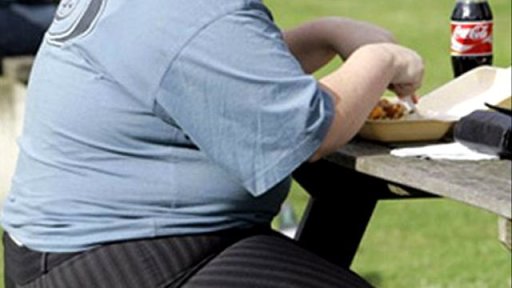
Fat Forecast: 42% of Americans Obese by 2030

By Carrie Gann | ABC News –

Study: Health costs now $190 b … About 32 million more Americans will become obese by 2030, upping obesity rates to 42 percent of the U.S. population, according to a new report from the U.S. Centers for Disease Control and Prevention. The report also predicts that the proportion of Americans who are severely obese, meaning more than 100 pounds overweight, will reach 11 percent, about double the current rate. The report's authors give a sobering price tag for these predictions: such an increase would create $550 billion of obesity-related health care costs. Eric Finkelstein, one of the authors of the report, said the prospect of such increasing rates, particularly those of severely obese Americans, is alarming since efforts aimed at helping people lose weight have so far proven relatively ineffective. "Their weight continues to increase. Over the last 10 years, it has gone up tremendously," he said in a press conference. "This is a group at great risk of health complications, and yet they are increasing at an even greater rate than the rate of obesity." The report was published in the American Journal of Preventive Medicine and was released at the CDC's Weight of the Nation conference today, a gathering focused on the impact of the obesity epidemic. The authors analyzed data collected from each state and made projections based on a number of factors influencing obesity rates, including the cost of healthy and unhealthy foods, gas prices and Internet access. "Predicting obesity is tricky and no one variable showed up as causing obesity," Finkelstein said. Although recent data suggest that rates of obesity have reached a plateau, current rates of obesity are still alarmingly high. About 34 percent of adults are currently obese, creating a whole host of expensive, chronic health problems, such as cardiovascular disease and diabetes. The report's authors said a number of factors could lead to the predicted rise in obesity. About two-thirds of Americans are currently overweight and could continue to gain weight and move into the obese category. Dr. William Dietz, one of the study's authors and director of the CDC's division of Nutrition, Physical Activity and Obesity, also noted that children who are currently overweight or obese will likely be a major source of the increasing rates. "We know that about 50 percent of severe obesity in adults is consequence of obesity in childhood," he said. Currently about 17 percent of children and adolescents are obese. Anti-obesity measures such as better urban design, access to recreational facilities, workplace health promotion and new drugs could help reign in the problem, the authors noted.